Dispose bulky waste in North Sheen without council fines
Posted on 10/06/2026
If you have a sofa that will not fit through the hallway, a broken wardrobe, an old mattress, or a freezer that's finally given up, you are not alone. Every week, people in North Sheen end up with bulky items that are awkward to move, hard to sort, and surprisingly easy to dispose of badly. And that is where the trouble starts. This guide explains how to dispose bulky waste in North Sheen without council fines, while keeping things safe, practical, and properly organised.
The good news? You do not need to wing it. With a little planning, the right lifting approach, and a sensible disposal method, you can avoid fly-tipping risks, missed collections, and that awful last-minute scramble when the van is already outside. Let's make it straightforward.
Why Dispose bulky waste in North Sheen without council fines Matters
Bulky waste is not just "big rubbish". It usually includes items that are too awkward for normal household bins and too valuable, bulky, or hazardous to dump carelessly. Think sofas, beds, wardrobes, appliances, office furniture, broken desks, garden items, and heavy storage units. In a place like North Sheen, where flats, narrow access points, and parking constraints can already make moving a headache, the wrong disposal decision can become an expensive one very quickly.
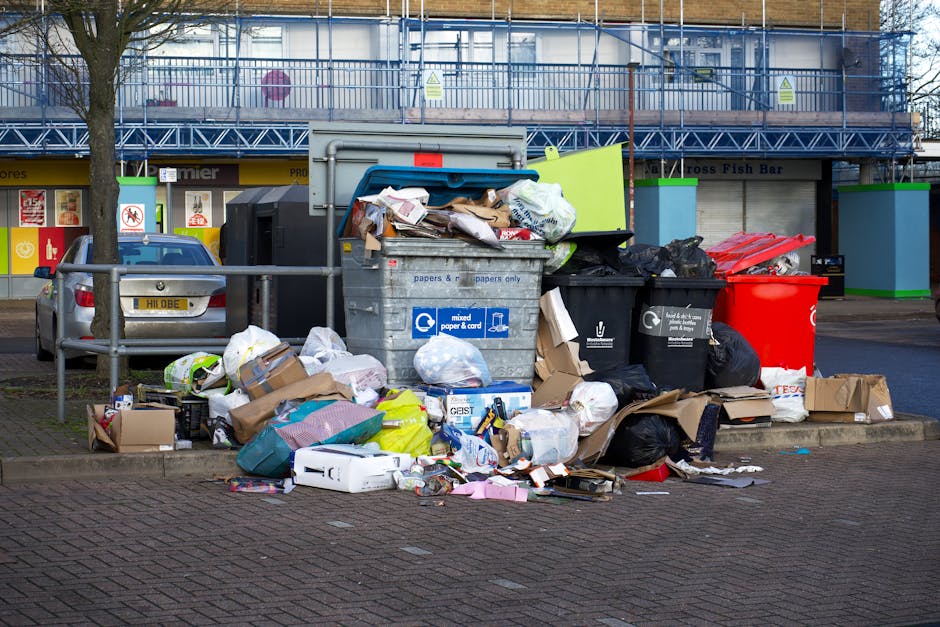
The biggest risk is simple: putting items out incorrectly can lead to complaints, missed collections, or penalties if waste is left in the wrong place or handed to the wrong person. Even when a fine is not immediate, poor disposal can create a paper trail of hassle you really do not want. A quick "I'll leave it by the road and hope for the best" moment can turn into a proper mess. To be fair, that happens more often than people think.
There is also a wider practical issue. Bulky waste left in communal areas can block hallways, create hazards for neighbours, and delay landlords or managing agents during inspections. If you are moving out, refurbishing, or clearing a property after a tenant change, the timing matters as much as the method. That is where careful planning and the right removal support can save time and stress.
Expert summary: The safest approach is to identify each bulky item, separate reusable pieces from true waste, choose a compliant disposal method, and schedule removal before items become an access problem or a council issue.
How Dispose bulky waste in North Sheen without council fines Works
In practical terms, the process is less about "getting rid of stuff" and more about making sure each item goes to the right place in the right condition. That might mean a council bulky waste service, a private clearance, a reuse route, or a recycling-focused collection. The best option depends on the item type, condition, urgency, and how much lifting or dismantling is involved.
First, sort the waste. A battered sofa is different from a working chest of drawers, and an old freezer is very different again because of storage and handling needs. Second, check whether items need to be stripped down. Removing cushions, unscrewing legs, or separating drawers can make a collection easier and safer. Third, make sure the collection route is legitimate and traceable. If a collector disappears with your old wardrobe and dumps it somewhere, the problem can come back to you. That is the bit people sometimes overlook. Then regret it later.
In North Sheen, access can influence everything. A ground-floor property with a front drive is one thing. A top-floor flat with tight stairs and limited parking is another. If a large item cannot be moved safely by one person, forcing it rarely helps. It usually creates damage to walls, the item itself, or your back. No dramatic heroics required, thank you very much.
If you are already in moving mode, it can be helpful to plan bulky waste removal alongside packing and decluttering. A useful companion read is smart decluttering before a move, because the cleanest move is usually the one where the unwanted items disappear first.
Key Benefits and Practical Advantages
Disposing bulky waste properly is about more than avoiding a fine. The real advantage is control. Once you know what is leaving, when it is leaving, and how it is being handled, the rest of the job gets easier. You can measure the space you are freeing up, protect your flooring, and work to a realistic schedule instead of a vague "later this week" plan that never quite happens.
- Less risk of penalties or complaints from incorrect placement or fly-tipping concerns.
- Safer handling for heavy or awkward items such as wardrobes, sofas, and appliances.
- Better property presentation during end-of-tenancy, sale prep, or refurbishment.
- More efficient moving day because clutter is reduced before the main move starts.
- Improved recycling outcomes when reusable or recyclable materials are separated early.
There is a quieter benefit too: relief. You know that feeling when the spare room stops looking like a holding bay for old bits and pieces? The room suddenly breathes again. The light comes in. The floor is visible. Small win, but it matters.
For furniture-heavy clearances, it can also make sense to review furniture removal options in North Sheen so that large items are handled without unnecessary lifting or damage.
Who This Is For and When It Makes Sense
This topic matters to a lot of different people, not just homeowners with a broken sofa. In fact, some of the most common bulky waste situations come from very ordinary moments: a student moving out of a flat, a landlord clearing a property between tenancies, a family replacing old beds, or an office upgrading furniture. One week it's a mattress; the next it's three chairs, a filing cabinet, and a printer that has seen better days.
You will probably need this approach if you are:
- moving house and want to clear items before the removal van arrives
- emptying a flat or shared property with limited hallway space
- replacing bulky furniture that is too heavy for normal bin collection
- disposing of a white good, freezer, or large appliance responsibly
- preparing for decorating, renovation, or a deep clean
- sorting out a same-day clearance after a cancellation or urgent deadline
It also makes sense if you simply do not want the stress of organising multiple trips to a disposal site or trying to borrow a friend's van and somehow making the whole weekend about waste removal. Been there, and frankly, it is never as quick as people think.
If your bulky waste sits alongside a larger move, you may also find house move planning advice useful, especially when you are trying to keep the job moving without clutter building up again.
Step-by-Step Guidance
If you want to keep everything orderly and avoid avoidable mistakes, follow a proper sequence. Do the job once, not three times. That is the whole game.
- List every bulky item. Write down what needs to go, including condition, size, and whether it might be reusable.
- Separate waste from donations. Items in decent condition may be better reused than scrapped.
- Check access. Measure doorways, stairs, lifts, and turning space. North Sheen flats can be unforgiving on corners.
- Remove hazards. Empty drawers, detach shelves, remove loose glass, and clear cords or sharp pieces.
- Choose the disposal route. Council collection, private clearance, recycling-first removal, or reuse donation.
- Book the right timing. Match the collection to your moving day or clearance day so items do not linger.
- Prepare the items. Wrap fragile edges, tape loose doors, and make access simple for the collector.
- Keep proof or confirmation. Save booking details, receipts, or written confirmation for your records.
A practical tip: if you are clearing a freezer or fridge, clean and defrost it in advance so it is safe to move and easier to handle. That kind of preparation saves a surprising amount of grief. For more on appliance prep, see how to clean a fridge freezer before removal and how to store an unused freezer properly.
If your bulky item is a mattress or bed frame, it helps to plan the move before you start. A useful guide is making bed and mattress moving simpler, which is especially handy when the item is both awkward and soft at the same time. A slightly bizarre combination, really.
Expert Tips for Better Results
In our experience, the best bulky waste jobs are the ones that feel almost boring. No last-minute rescue mission. No racing around with a mattress on a wet evening. Just a clean sequence and enough care to stop the small problems from becoming big ones.
- Measure before you move. The item may look manageable until it reaches a tight landing or shallow stair turn.
- Protect surfaces early. Lay down cardboard or blankets where heavy items will pass.
- Keep a clear path. Even a single shoe left in the wrong place can become a trip hazard.
- Dismantle if it genuinely helps. Some wardrobes move better in parts. Some do not. Use judgement.
- Do not overload a vehicle. Bulky waste is often heavier than it looks, especially with solid wood or metal frames.
- Think about recycling first. If an item has salvageable parts, separate them before disposal.
If you are shifting heavy pieces on your own, be honest about what is realistic. A smart lift is a safe lift. If you need support with awkward items, read solo heavy lifting tips and use that knowledge carefully. And if the item is particularly valuable or delicate, such as a piano, specialist handling is essential - a lot can go wrong very quickly.
For that reason, some people find it helpful to combine clearance with a broader removals plan, using services like the full service overview so they can see how decluttering, lifting, and transport fit together.

Common Mistakes to Avoid
Most bulky waste problems are completely preventable. That is the frustrating part. The mistake is rarely "not caring"; it is usually rushing, guessing, or assuming an item is simpler than it is.
- Leaving items beside the road without confirming collection rules. This is the classic one, and it can lead to trouble fast.
- Assuming every collector is the same. Not every service handles the same materials or offers the same level of traceability.
- Forgetting access issues. A bulky item can be easy to list but awkward to extract.
- Skipping disassembly. A wardrobe with attached doors or fixed shelves can be far harder to handle than expected.
- Ignoring recycling opportunities. Some materials should not be treated as general waste if they can be processed separately.
- Not cleaning items first. Especially appliances. Nobody wants mouldy smells lingering in a hallway at 8 a.m.
Another mistake is timing. People often wait until the last 24 hours before a move or refurbishment, then panic-book whatever looks available. If the property has narrow access or a tight parking situation, that usually adds pressure you do not need. If you are moving in the SW14 area, a local guide such as the compact SW14 moving checklist can help you stay ahead of that squeeze.
Truth be told, a calm schedule beats heroic improvisation every time.
Tools, Resources and Recommendations
You do not need a warehouse full of equipment, but a few practical tools make bulky waste handling much safer and less annoying. The goal is to reduce strain, protect the property, and make the load easier to manage.
- Work gloves for grip and basic hand protection
- Furniture sliders for moving heavy items across hard floors
- Ratchet straps or strong tape to secure loose parts
- Blankets or moving pads to protect walls and furniture edges
- Measuring tape for access checks, especially in flats
- Sack truck or trolley for heavier appliances where appropriate
For planning and packing support, it can also help to revisit effective packing strategies for a fast move and packing support in North Sheen. Even when you are not packing goods for storage, the same principles of labelling, sorting, and protecting edges still apply.
If the clear-out is part of a broader move, you may also need somewhere temporary for items you are not ready to throw away. In that case, storage options in North Sheen can give you breathing room while you decide what stays and what goes.
Law, Compliance, Standards, or Best Practice
This is the section people often skip, and then regret later. In the UK, waste should be handled responsibly, and you should be careful about who takes it away. While this article is not legal advice, the general best practice is straightforward: use a reputable disposal route, avoid leaving waste in unauthorised places, and keep records of what was collected if possible.
Why does this matter? Because if waste is fly-tipped after collection, questions can come back to the person who arranged it. That does not mean every household needs to become a compliance expert, but it does mean you should be cautious. Ask who is taking the waste, what they can handle, and whether they provide confirmation of disposal. Small questions, big difference.
For businesses and landlords, the standard should be even higher. Office clearances, tenant turnovers, and refurbishment waste should be managed with more attention to documentation, safety, and traceability. If you are clearing workplace furniture, consider office removals in North Sheen as part of a more controlled process.
It is also sensible to think about sustainability. Reuse, repair, and recycling are often preferable to disposal if the item still has life left in it. A plain-English approach to this is laid out on recycling and sustainability practices, which fits neatly with a lower-waste mindset. Not glamorous, but sensible.
Options, Methods, or Comparison Table
There is no single perfect route for every bulky item. The right choice depends on urgency, item condition, access, and whether you want the easiest possible solution or the greenest one. Here is a simple comparison.
| Method | Best for | Pros | Watch-outs |
|---|---|---|---|
| Council bulky waste service | Routine household bulky items | Simple for single-item or small-item disposal | May need scheduling, preparation, and correct presentation |
| Private bulky waste clearance | Urgent or mixed clear-outs | Flexible timing, less lifting for you, good for multiple items | Need to check what is included and how waste is handled |
| Reuse or donation route | Good-condition furniture and appliances | Lower waste, often better for the environment | Not suitable for damaged, stained, or unsafe items |
| Self-haul to disposal point | People with transport and lifting help | Can be cost-effective and direct | Time-consuming, physically demanding, and easy to mishandle |
If you need a faster, all-in option, a local removal team can sometimes bundle bulky waste into a moving job. For that sort of scenario, see man and van support in North Sheen or removal services in North Sheen depending on how much you need moved. A simple comparison like this stops you from paying for more than you need.
Case Study or Real-World Example
Here is a realistic scenario. A two-bed flat in North Sheen is being cleared before a tenancy ends. The resident has an old sofa, a chest of drawers, a broken bedside table, and a fridge freezer that stopped working months ago. Initially, everything was going to be left until the final day. Which, as you can imagine, was a bit optimistic.
Once the items were listed properly, the fridge freezer was cleaned and defrosted, the drawers were emptied, and the wardrobe parts were separated. The sofa was checked to see whether the legs detached. The client then arranged removal before the keys had to be handed back, which meant the hallway stayed clear and the property could be cleaned without obstacles everywhere.
The real win was not just speed. It was calm. No late-night dragging, no rush, no argument about who could lift what, and no awkward "can we leave this here for one more day?" conversation with the landlord. That sort of thing sounds small until you are the one dealing with it. Then it feels enormous.
For properties with tight access, it helps to study location-specific moving advice too. If your route involves parking or access concerns, van access and parking guidance near Kew Gardens can help you avoid delays that would otherwise slow the whole clearance.
Practical Checklist
Use this checklist before your bulky waste collection or clearance. It keeps the job tidy and helps prevent the sort of last-minute chaos that makes people mutter under their breath.
- Make a full list of every bulky item
- Separate reusable items from true waste
- Check whether anything needs dismantling
- Measure doors, stairs, lifts, and parking access
- Empty drawers, shelves, and appliance contents
- Clean appliances where needed
- Protect walls, floors, and corners
- Choose a compliant disposal method
- Book collection before deadline day
- Keep booking confirmations or receipts
Quick reminder: if you are also moving heavy furniture or doing a same-day clear-out, check that the collection timing does not clash with loading. A badly timed clearance can make moving day feel twice as long.
If the job has become urgent, you may be better off looking at same-day removals in North Sheen or even what to expect from urgent same-day removals so you can work around the deadline without panic.
Conclusion
Disposing of bulky waste in North Sheen does not have to be complicated, but it does need to be done properly. Once you sort the items, think through access, and choose a legitimate disposal route, the whole process becomes much easier. More importantly, you reduce the risk of fines, complaints, injuries, and wasted time.
The best approach is usually the simplest one: plan early, move carefully, and use a service or method that fits the item rather than forcing the item to fit your schedule. That way, the job gets done cleanly, and you can get on with the more pleasant part of life - like reclaiming the space you've just freed up.
Get a free quote today and see how much you can save.
And if all you want is one less thing on your list, that is a perfectly fair place to start.