Loading bay rules by Kew Gardens: permit and parking tips
Posted on 05/07/2026
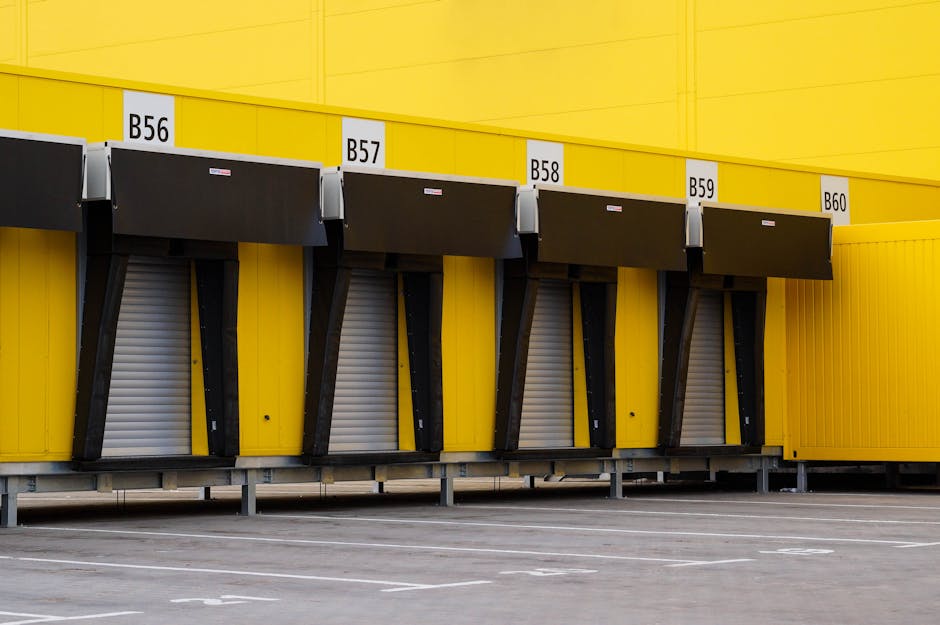
If you are moving, delivering, or unloading near Kew Gardens, the last thing you want is a van idling awkwardly while everyone on the street starts looking at the clock. Loading spaces around this part of west London can be tight, busy, and sometimes a bit unforgiving. That is exactly why understanding Loading bay rules by Kew Gardens: permit and parking tips matters before moving day arrives. Get it right and the whole job feels calmer. Get it wrong and you can lose time, money, and patience very quickly.
This guide breaks down how loading bays usually work in the Kew Gardens area, what a permit may be needed for, how to plan van parking, and the little details that often make or break a smooth move. It is written for real people with real boxes, not theoretical perfection. You will also find practical checklists, common mistakes, and a few sensible shortcuts that can save a lot of stress.
Why Loading bay rules by Kew Gardens: permit and parking tips Matters
Kew Gardens sits in an area where road space is often at a premium. That sounds obvious, but in practice it means a van can be perfectly timed and still struggle if you have not planned for loading restrictions, permit requirements, timed bays, or local traffic pressure. One tiny parking mistake can ripple through the whole move: a late start, longer carrying distance, more lifting, and sometimes a fine that feels wildly unnecessary.
The real issue is not just convenience. It is access. A loading bay is supposed to make short, controlled unloading possible, but only if you understand how long you can stay, whether the bay is shared or restricted, and what the local permit rules require. Near busy London neighbourhoods, these details matter even more because streets are often narrow and parking demand is relentless.
In our experience, the people who have the least drama on move day are not always the strongest planners in general. They are just the ones who check access properly, book the right vehicle, and keep a simple parking fallback plan. Honestly, it is one of those jobs where a few extra minutes of admin saves an hour of faff later.
For more moving preparation ideas that help reduce stress before you even get near the kerb, see effective packing strategies for a swift move and smart decluttering solutions.
How Loading bay rules by Kew Gardens: permit and parking tips Works
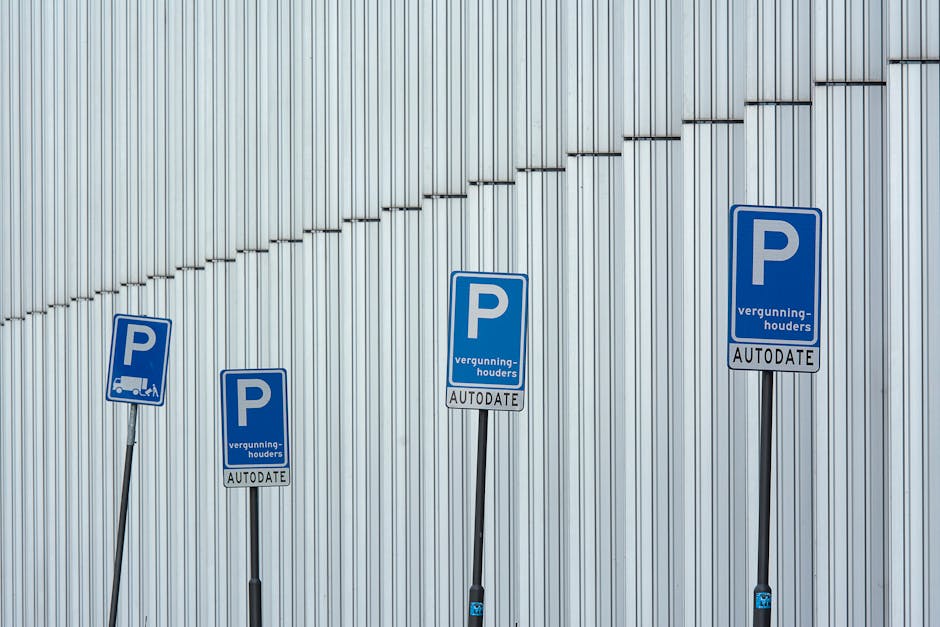
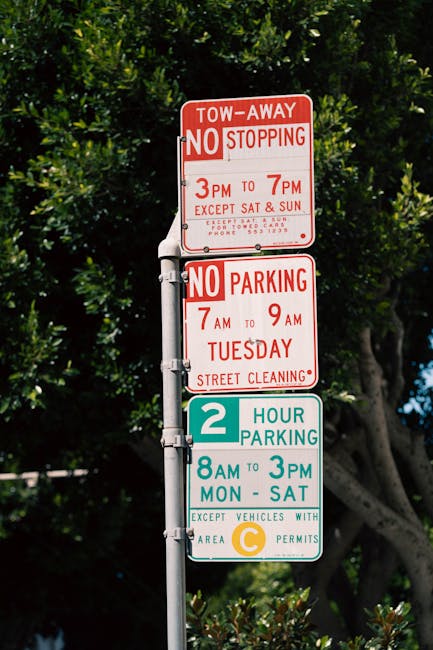
At a practical level, loading bay use near Kew Gardens usually comes down to three things: where the bay is, what the signs say, and whether your vehicle and activity fit the rules. A loading bay may allow short-term loading only, may require a specific permit or waiver, or may be shared with parking restrictions at certain times of day. The sign is the authority on the street, not guesswork.
That means you should treat the bay as a timed tool, not a free parking space. If your move involves carrying furniture, boxes, or appliances over several trips, the key question becomes: can you complete the loading activity within the permitted period without blocking traffic or overstaying the allowed time? If not, you need a different plan.
There is also a difference between stopping to load and leaving a vehicle parked while you do a long carry indoors. That difference matters more than people think. A van may be allowed to stop briefly in a loading bay, but if the team disappears upstairs for twenty minutes at a time, the arrangement may no longer fit the intended use. Parking rules can be quite literal. A bit annoying, but there it is.
If you are moving from a flat, stairs and entry controls can stretch the whole process. That is where a little advance planning pays off, especially if you have heavy items or awkward access. A nearby guide like the moving-day access guide for flats on Lower Mortlake Road can help you think through the same kind of access pressure.
Key Benefits and Practical Advantages
Getting loading bay rules right is not just about staying on the right side of the council. It makes the whole move more efficient, less physically demanding, and easier to coordinate with helpers. The benefits are very tangible.
- Less carrying distance: A legal, well-planned stop close to the property reduces long walks with boxes and furniture.
- Lower risk of delays: You avoid the "circle the block and hope" routine, which nobody enjoys.
- Reduced chance of penalties: You are less likely to receive a ticket, warning, or enforcement attention.
- Better safety: Shorter carrying routes mean fewer dropped items, strained backs, and rushed turns.
- Cleaner timing: The crew can work in a sensible rhythm instead of constantly resetting.
There is another upside that gets overlooked: confidence. When the parking plan is sorted, the rest of the move feels easier. You stop worrying about whether the van is in the wrong place and start focusing on the actual job. That sounds small, but it changes the mood of the whole day.
If you are managing a tighter flat move or a more compact load, it can also help to review a compact moving checklist for SW14 flats. Small spaces create their own set of parking and loading headaches, and they deserve their own plan.
Who This Is For and When It Makes Sense
This guide is especially useful if you are:
- moving house or flat near Kew Gardens
- using a van for furniture or appliance delivery
- organising a same-day removal with limited time on the street
- planning a student move where budget and timing are both tight
- arranging office or small business transport in a busy local area
- trying to avoid parking fines and last-minute access surprises
It also makes sense if you are the kind of person who knows the van will be fine, but the parking side might not be. That is a very common scenario. The loading bay is often the bottleneck, not the vehicle itself.
Truth be told, if your property is on a road with heavy daytime parking pressure, you should assume access will be harder than it looks on a map. Even a street that appears wide enough can become awkward once a few resident cars and delivery vehicles are in the mix. London has a habit of doing that.
For larger or more awkward items, especially if you are dealing with sofas, beds, or specialist pieces, it is worth reading about making bed and mattress moving a seamless experience and piano removals if your move includes heavier specialist items.
Step-by-Step Guidance
Here is a sensible way to handle loading bay planning around Kew Gardens without overcomplicating it.
- Check the street signs first. Look carefully for loading-only rules, time windows, permit wording, and any resident or shared restrictions. Do not rely on memory from last time because signs can change.
- Measure the vehicle size you actually need. A van that is too large can create more parking trouble than it solves. A smaller van may be easier to place close to the property, especially on narrower roads.
- Confirm whether a permit is needed. Some moves can be handled without one, others cannot. If your plan depends on a specific loading bay or formal exemption, check early rather than on the morning itself.
- Build a loading window. Work out how long it will take to carry items from the property to the van. Add a buffer. People always underestimate the "one last box" stage.
- Arrange helpers and sequencing. Decide what goes first: boxes, white goods, dismantled furniture, then fragile or awkward items. The order matters more than it seems.
- Keep the van ready to move quickly. If the bay is time-limited, load in a way that lets you pull away or reposition without drama.
- Have a backup parking option. If the loading bay is occupied, know the nearest realistic alternative before you arrive.
If you are still in the early planning phase, it helps to combine this with a broader access and route check. A useful companion read is moving near Kew Gardens: van access and parking in North Sheen, which keeps the access side of the job grounded in local reality.
One practical tip: arrive with everything labelled and grouped by room. That way the loading period is about moving, not sorting. It sounds basic. It is basic. But basic wins on move day.
Expert Tips for Better Results
A good loading plan is not just about legality; it is about momentum. The smoother the first fifteen minutes go, the easier the rest of the day feels.
1. Treat the bay as part of the workflow
Do not think of the loading bay as separate from packing, dismantling, or lifting. It is one chain. If your items are still being wrapped while the van is waiting in the street, you are creating pressure for no good reason. Get the bay plan and packing plan working together.
2. Make the first load count
Start with the items that are hardest to manoeuvre or that need the cleanest route from door to vehicle. Oversized furniture, appliances, and anything fragile but bulky should usually be prioritised. This reduces the chance of an awkward mid-move reshuffle.
3. Protect the kerbside time
Every minute matters more in a busy area. Keep door keys, straps, blankets, labels, and trolley equipment close at hand. A tiny delay, like searching for tape while the van is half-loaded, can snowball. We have all seen it happen.
4. Use the property layout to your advantage
If the entrance is tight, decide in advance where people can stand without blocking each other. A narrow hallway can become a bottleneck fast. One person directing, one person loading, one person feeding items forward is often more efficient than four people all trying to help at once.
5. Avoid overfilling the schedule
For same-day or time-sensitive moves, leave space for the unexpected. Traffic, someone parking in the bay, a lift breakdown, or a missing key can all eat into your allowance. A modest buffer is not wasted time; it is insurance against chaos.
If you want to reduce the size of the job before it even starts, smart decluttering solutions can make a very real difference. Less cargo usually means less stress, and less stress means cleaner parking decisions. Funny how often that works.
Common Mistakes to Avoid
Most loading problems around Kew Gardens come from a few predictable errors. The good news? They are all avoidable.
- Assuming a loading bay is always available: It may be occupied, time-restricted, or unsuitable for your vehicle size.
- Ignoring the sign details: The difference between "loading only" and "no waiting" matters a lot.
- Turning up without a permit plan: If a permit is needed, leaving it to chance is asking for trouble.
- Underestimating carry time: A top-floor flat with narrow stairs is not the same as a ground-floor load-out.
- Using a van that is too large: Bigger is not always better in a tight residential street.
- Not checking for event or school traffic: Local congestion can alter the best time to arrive.
- Letting the van sit idle while loading pauses: Short interruptions become expensive if the bay is time-limited.
There is also a human mistake that crops up a lot: people try to improvise on the day because they do not want to "bother" anyone with extra planning. But to be fair, that usually creates more bother, not less. A little preparation is kinder to everyone, including the neighbours.
If you are wondering how parking penalties happen in the first place, the article on avoiding parking fines and permits for move days gives a useful neighbour-area perspective that translates well to Kew Gardens access issues too.
Tools, Resources and Recommendations
You do not need fancy kit to handle a loading bay well, but a few practical tools make life easier.
- Printed access notes: Write down the bay location, arrival time, and backup option so nobody is guessing from memory.
- Labels and colour codes: These help you keep load order sensible and reduce time spent hunting for the right box.
- Furniture blankets and straps: Useful for protecting items while moving quickly from door to vehicle.
- Foldable trolley or sack truck: Especially helpful if the loading point is not directly outside the property.
- Phone battery or power bank: Sounds obvious, but dead phones and moving-day logistics do not mix well.
For a fuller moving toolkit, it is worth looking at packing strategies and how to experience a hassle-free house move. They work well alongside access planning because good packing reduces the number of trips you need to make.
You may also want to check whether a provider offers support with general removals, specialist furniture handling, or flexible vehicle choices. If that is the case, pages like Man with a van North Sheen and removal van options can be useful to compare services and vehicle fit.
Law, Compliance, Standards, or Best Practice
Loading bay use is best approached with care because parking and loading controls can sit within local traffic regulation, permit rules, and street sign instructions. You do not need to become a transport lawyer to get this right, but you do need to respect the signs and the practical limits they set.
Best practice usually means:
- following the exact wording on local signs and markings
- checking whether stopping for loading is permitted at that time
- making sure your vehicle is suitable for the space and the activity
- keeping loading activity continuous and reasonable
- avoiding unnecessary obstruction of traffic, driveways, or access points
If a formal permit or suspension is involved, the safest approach is to arrange it early and keep confirmation available on the day. Do not assume that a verbal agreement or a rough understanding will be enough. In parking matters, paperwork is the quiet hero.
For related compliance-minded reading, you may find Richmond council move permits and rules explained useful, especially if your move straddles nearby streets and you want a clearer sense of local expectations.
Expert summary: If the sign allows loading, keep the activity genuine, time-limited, and well organised. If it does not, do not force it. That one decision can save a lot of trouble, and frankly, a lot of embarrassment too.
Options, Methods, or Comparison Table
Different parking approaches suit different moving situations. Here is a straightforward comparison.
| Option | Best for | Advantages | Drawbacks |
|---|---|---|---|
| Direct loading bay outside the property | Fast flat or house moves with short carry distance | Efficient, fewer trips, easier for heavy items | Often time-limited and may require permit coordination |
| Nearby legal parking plus trolley carry | When the bay is unavailable or too small | More flexible, sometimes easier to arrange | Longer carry route and more physical effort |
| Scheduled permit or suspension | Busy streets and larger removals | Best control over access and timing | Needs more planning and confirmation |
| Smaller van with multiple trips | Restricted streets or compact moves | Often easier to position close to the property | Can take longer overall |
For many Kew Gardens-area moves, the best option is not the "biggest" or the "cheapest" one. It is the one that matches the street. That sounds almost too simple, but it is usually true.
Case Study or Real-World Example
Imagine a two-bedroom flat move near Kew Gardens on a weekday morning. The residents have a decent amount of furniture, a few fragile boxes, and a narrow stairwell. They originally planned to use whatever space was available on the street and hoped the van could "just fit in somewhere." A classic hope-based strategy. Never ideal.
Instead, they checked the street signs the day before, confirmed a loading window, and arranged the first batch of items to go out in a clear sequence: mattress, dismantled bed frame, kitchen boxes, then general furniture. They also kept a backup plan for a nearby legal stop in case the loading bay was taken.
On the day, the loading bay was occupied for a short stretch. Because they had already planned for that, the van waited safely for a moment rather than circling in confusion. Ten minutes later, the bay opened up and the team loaded in a steady rhythm. No drama. No panicked phone calls. No "can you just hold that for a second?" every thirty seconds.
That kind of move is not glamorous, but it is exactly what good planning looks like. It saves energy, keeps the tone civil, and reduces the chance of one bad parking decision ruining the morning. Sometimes the boring option is the smart one. Actually, most of the time.
If your move includes bulky items that need special care, it may also help to review how professionals prevent piano-moving mistakes and a deep clean before moving out, because access planning and final property preparation often go hand in hand.
Practical Checklist
Use this checklist before you commit to a loading plan near Kew Gardens.
- Check the exact loading bay sign wording
- Confirm whether a permit, booking, or suspension is needed
- Choose a van size suited to the street, not just the load
- Estimate carry time from door to vehicle
- Prepare labels for rooms and priority items
- Set out straps, blankets, tape, and a trolley if needed
- Identify a legal backup parking option
- Keep keys, phone, and confirmation details easy to reach
- Load heavy and awkward items first if possible
- Leave a small time buffer for delays, traffic, or access issues
Quick takeaway: the smoother the access plan, the easier the whole move becomes. That is the real trick. Not perfect timing. Just enough planning to keep the day moving.
If you are still shaping the wider move, you may want to read how to dispose of bulky waste without council fines and recycling and sustainability so the clean-up side does not become another headache afterwards.
Conclusion
Loading bay rules around Kew Gardens can seem fiddly at first, but they become manageable once you break them into simple steps: check the signs, confirm the permit position, match the van to the street, and keep the loading process tightly organised. That is really the core of it. Do those things well and you make the move safer, faster, and far less stressful.
Most parking problems do not come from bad luck. They come from leaving access decisions too late. A little advance planning, plus a sensible backup, is usually enough to keep you out of trouble and on schedule. And on a busy London moving day, that is worth quite a lot.
If you want support with the vehicle, lifting, or the move itself, you can also explore house removals, flat removals, or same-day removals depending on how urgent and complex the job is. Sometimes having the right help just makes everything breathe a bit easier.
Get a free quote today and see how much you can save.
And if you are standing outside with a tape measure, a trolley, and a slightly worried look on your face, take a breath. You are probably closer to a smooth move than you think.