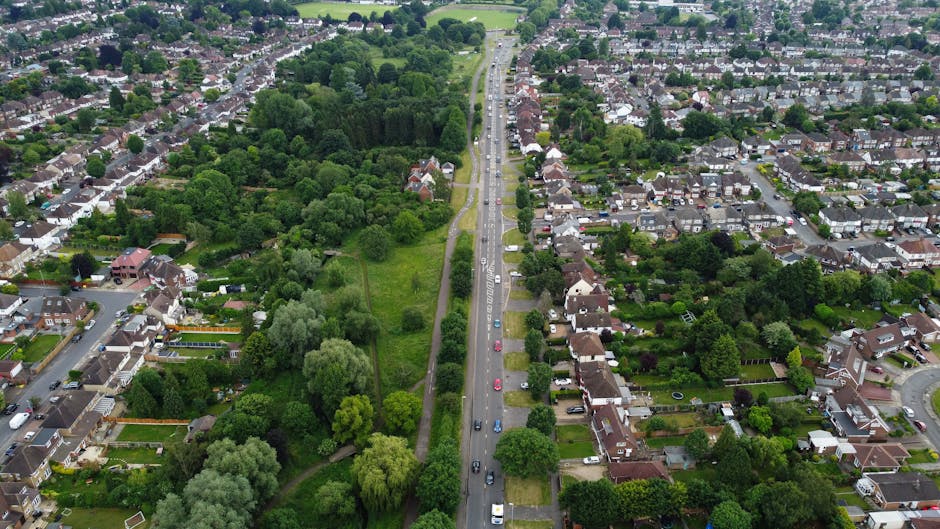
Moving day access guide for flats on Lower Mortlake Road, North Sheen
Posted on 29/04/2026
Moving out of a flat is rarely just about boxes and bubble wrap. On Lower Mortlake Road, North Sheen, the real headache is often access: where the van can stop, how far your belongings need to travel, whether stairs or tight entrances will slow everything down, and what you need to sort before the first item leaves the hallway. If you are planning a move here, a clear moving day access guide for flats on Lower Mortlake Road, North Sheen can save time, money, and a fair bit of stress.
That matters because a smooth move is usually won long before moving day itself. A quick check of parking, lifts, corridors, permits, and loading space can stop those awkward moments when everyone is standing around wondering, well, where exactly the van is meant to go. This guide walks through the practical side of access for flats in the area, with local, real-world considerations in mind and useful links to supporting services like flat removals in North Sheen, man with a van support, and packing and boxes in North Sheen.
Whether you are moving a studio, a top-floor flat, or a family-sized apartment with a sofa that seemed perfectly reasonable when you bought it, the same rule applies: access planning is half the job. The other half is not pretending the lift is bigger than it is.
Why Moving day access guide for flats on Lower Mortlake Road, North Sheen Matters
Access is the difference between a move that feels controlled and one that starts slipping off the rails before the kettle is packed. In flat moves, the bottlenecks are usually not the lifting itself; they are the doors, steps, corners, parking restrictions, and timing. On a road like Lower Mortlake Road, where properties may sit close to busy traffic and shared residential entrances, those details can shape the whole day.
If the removal van cannot pause legally or safely near the building, the team spends longer carrying furniture, boxes, and fragile items back and forth. That adds labour time, increases fatigue, and raises the risk of knocks or delays. A narrow stairwell or awkward turn can be manageable with the right preparation, but only if somebody has thought it through first. Truth be told, a move that looks simple on paper can become a puzzle by 8:30am.
Access planning also matters for neighbours and building management. Nobody wants to block a shared walkway, upset the people downstairs, or discover that the only loading point is right beside a nursery drop-off or a tight junction. A little forethought keeps the move calmer for everyone involved.
Practical takeaway: on flat moves, the access plan is not an admin detail. It is part of the moving plan, right alongside packing and transport.
How Moving day access guide for flats on Lower Mortlake Road, North Sheen Works
Think of access planning as a chain of small decisions. Each one seems minor on its own, but together they decide how efficient the move will be.
First, you identify the building layout. Is there a lift? How wide are the stairs? Are there turns on the landing where a wardrobe or mattress will need to pivot? Does the front door open wide enough for bulky items? Those are the kinds of questions that matter in real life, because furniture does not bend politely around corners.
Next comes outside access. You look at where the vehicle can stop, whether the road gets busy at certain times, and if there are yellow lines, resident bays, time limits, or access restrictions to factor in. In some cases, a smaller vehicle or a shuttle arrangement can make more sense than trying to squeeze a larger van into a difficult spot. If you are weighing your transport options, the page on removal van options in North Sheen is a useful starting point.
Then there is timing. A move that begins early may avoid heavier traffic and give you more breathing room around neighbours and building access. If your building has shared entrances or a managed entry system, you may need to line up keys, codes, or a concierge contact in advance. Missing that one detail can cost an hour. Sometimes more.
Finally, the team needs a safe route from van to flat. That means clearing the hallway, removing trip hazards, protecting floors if needed, and making sure the items most likely to cause trouble, like large mirrors or tight-corner furniture, are handled in a sensible order.
In practical terms, access planning answers four questions:
- Where can the vehicle park or stop safely?
- How will items move from the building to the van?
- What obstacles could delay loading or unloading?
- What needs arranging before moving day begins?
Key Benefits and Practical Advantages
Good access planning does more than reduce hassle. It makes the entire move more predictable, and predictability is gold when you are dealing with boxes, keys, paperwork, and a property that still has one drawer full of random screws.
Here are the main benefits:
- Faster loading and unloading: fewer wasted steps and less waiting around for parking or entry issues.
- Lower risk of damage: fewer awkward lifts, less rushing, and better control over large items.
- Better cost control: access delays can add labour time, so planning helps keep the job efficient.
- Less stress for everyone: the moving team, the neighbours, and you.
- Improved safety: fewer trip hazards and less chance of injuries from carrying items through tight spaces.
There is also a quieter benefit that people sometimes overlook: better decision-making. Once you know access is tight, you can choose the right vehicle size, reduce what you move, or separate fragile items for special handling. That is where helpful services like removal services in North Sheen and the services overview can support the wider plan.
For many flat moves, especially where stairs are involved, the biggest advantage is simply avoiding surprise. Surprises are fun at birthdays. Not so much on moving day.
Who This Is For and When It Makes Sense
This guide is useful for anyone moving from a flat on or near Lower Mortlake Road, but a few people will feel the benefit more than others.
- Tenants in upper-floor flats: if your furniture needs to travel down multiple flights, access planning matters immediately.
- Owners in managed blocks: building rules, service entrances, and booking systems can affect your day.
- Students and first-time movers: if you have not dealt with a van booking, parking plan, or shared access before, the learning curve can be steep.
- Families moving larger items: beds, sofas, wardrobes, and appliances tend to expose access problems very quickly.
- Last-minute movers: if the move is happening quickly, a simple access plan can still stop the day from becoming chaotic.
It also makes sense if your move includes awkward items like a piano, a heavy fridge, or a sofa that needed two people to get into the flat in the first place. In those cases, specialist handling may be worth considering, which is why pages such as furniture removals in North Sheen and piano removals in North Sheen can be relevant.
If you are not sure your move is straightforward, that is usually a sign it is worth checking access early. To be fair, "it'll probably be fine" is not a strategy.
Step-by-Step Guidance
Here is a practical way to organise access for a flat move on Lower Mortlake Road without overcomplicating it.
1. Walk the route from flat to street
Start inside the property and trace the path all the way to where the van will stop. Look at door widths, corners, stairs, lifts, intercoms, fire doors, and any points where two people will need to coordinate. If you can, measure your largest items too. A mattress may pass easily; a wardrobe may not.
2. Check outside parking and stopping options
Look at the street at the time of day you plan to move. Is parking usually busy? Are there restrictions or permit bays? Can a vehicle stop close enough for practical loading? In London, this step is not optional. It is the thing that saves a move from becoming a long carry from the far end of the road.
3. Speak to the building manager or landlord
If your building has any rules about lift bookings, moving hours, protection for communal areas, or use of a particular entrance, find out early. Some blocks want advance notice. Others simply expect you to keep shared spaces clear and tidy. Either way, asking first is better than discovering the rule when a neighbour is already frowning at the front door.
4. Separate items by handling difficulty
Not everything deserves the same treatment. Heavy furniture, fragile electronics, kitchen appliances, and loose household items should be grouped differently. Packing in this way makes loading faster and helps the removals team sequence the job properly. If you want a more detailed approach, these packing strategies for a swift move are well worth a look.
5. Clear the access path on the day before
Move shoes, coat stands, recycling bins, loose cables, and anything else that creates clutter near the exit. It sounds obvious, but on moving day people are usually half-packed, half-tired, and someone has still got the Wi-Fi router in their hand. Clearing the route early helps everything run more smoothly.
6. Prepare the first items out and the last items in
Keep essentials separate so they do not get buried at the back of the van. On the move-in side, make sure the things you need first at the new property are easy to reach: kettle, toiletries, chargers, documents, bedding. A little organisation here saves a lot of rummaging later.
7. Decide whether you need extra help
If access is tight, stairs are steep, or the furniture is bulky, consider booking more support than you think you need. A smaller job can still benefit from a man and van service in North Sheen, while larger or more complex moves may suit a full house removals service or dedicated removals in North Sheen.
Expert Tips for Better Results
After enough flat moves, you begin to see the same patterns. The good ones are almost always planned a bit earlier than everyone expects. The difficult ones? Usually someone said, "We'll figure it out on the day." That phrase has caused more stress than it deserves.
Use these practical tips:
- Book the moving slot with the building first: if there is a lift or access window, get it confirmed before anything else.
- Keep one person in charge of access: too many people giving instructions can slow things down.
- Protect the weak points: corners, mirrors, glass tables, and soft furniture fabric benefit from proper wrapping.
- Use consistent labelling: simple room labels reduce unloading mistakes.
- Plan for a second trip only if needed: sometimes a compact van plus a second run is smarter than forcing one oversized load.
A couple of small details often make a big difference. For instance, if you know the hallway is narrow, remove decorative items and wall hooks before the team arrives. If your entrance faces busy foot traffic, try to avoid peak times when people are coming and going. And if your move includes a bed or mattress, reading up on how to move beds and mattresses properly can prevent a lot of awkward twisting at the stairwell.
Another practical point: if you have a freezer or fridge that needs emptying or storing, deal with it well before moving day. A few sensible steps around appliance preparation can help, and the guides on cleaning your fridge freezer and storing an unused freezer are useful companions here.
One more thing, and this is very human: leave yourself a small buffer. Traffic, keys, a delayed lift, an unexpected parking issue. Something nearly always happens. The aim is not perfection. The aim is calm recovery.
Common Mistakes to Avoid
Most access problems are predictable, which is both annoying and helpful. Annoying because they are avoidable. Helpful because you can plan around them.
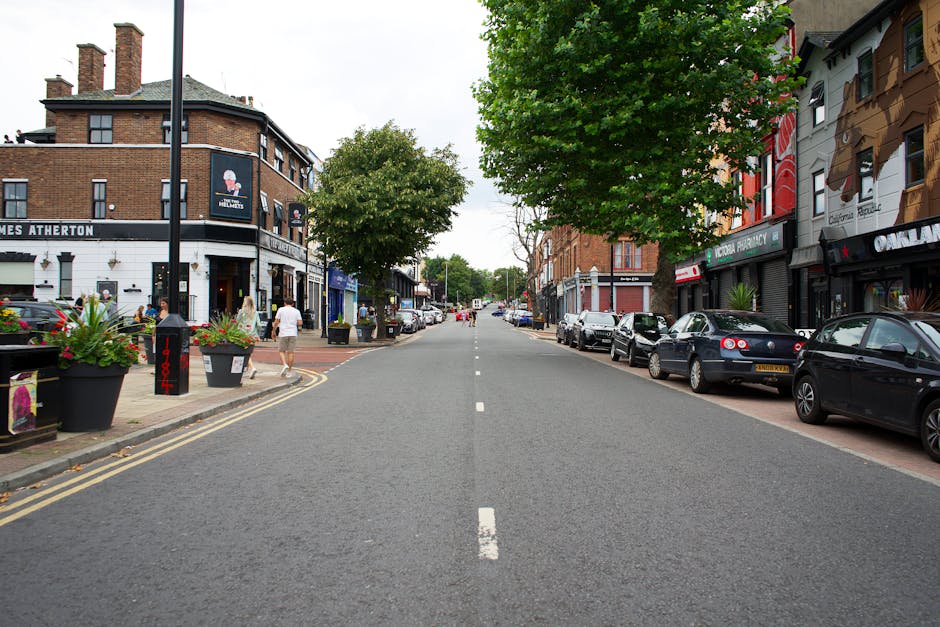
- Assuming the van can park right outside: many roads look easier from a distance than they are in real life.
- Forgetting building rules: lift bookings, moving hours, and access codes are easy to overlook.
- Ignoring stair widths and corners: the sofa may be the one item that exposes every design choice in the building.
- Leaving clutter in the access path: even one bag in the hallway can cause a stumble or delay.
- Packing too late: access gets harder when items are still loose and half-disassembled.
- Not planning for fragile items: a picture frame or TV requires different handling from books or clothing.
- Choosing the wrong service level: a light van-and-driver job is not always enough for a full flat move.
There is also a common mindset mistake: people treat access as a logistics detail rather than a customer experience issue. But if the move is stressful for you, the whole day feels heavier. It really does.
If your move is on a tight schedule, consider whether same day removals in North Sheen are appropriate, but only if access has been checked carefully first. Same-day speed and poor access do not combine well.
Tools, Resources and Recommendations
You do not need specialist equipment for every move, but the right basics can make access much easier.
- Measuring tape: for doorways, hallways, lift dimensions, and furniture clearances.
- Protective blankets and wraps: especially useful for wood furniture, mirrors, and appliances.
- Sturdy tape and labels: keeps boxes organised and reduces confusion.
- Door wedges: helpful when moving multiple loads through a flat entrance.
- Gloves and proper footwear: sensible, simple, and often underestimated.
- Hand trolley or sack truck: useful where the route is smooth and the item weight allows it.
For planning support, the following resources can help you build the move around access rather than against it:
- pricing and quotes if you want to understand budget and scope early
- storage in North Sheen if access timing means you need a holding solution
- insurance and safety guidance for added peace of mind
- about us if you want to learn more about the team approach
- health and safety policy for safer moving practices
If you are decluttering before the move, that is one of the smartest things you can do. Less stuff means fewer carries, fewer decisions, and less pressure on tight access routes. There is a good practical guide on smart decluttering solutions, and honestly, it can transform the whole day.
Law, Compliance, Standards, or Best Practice
For flat moves in London, the main compliance concerns usually come down to parking, obstruction, building rules, and safety. This is not usually about complex legal theory; it is about doing the practical things properly.
Common best-practice points include:
- checking whether any parking restriction applies to the loading point
- avoiding obstruction of pavements, entrances, or emergency access routes
- following any building-specific move booking or lift use rules
- keeping shared areas clear and tidy
- using safe lifting methods and suitable equipment for heavy items
In London, parking and loading arrangements can vary a lot from one street to the next, so it is sensible to verify local conditions rather than assume they will be fine. If a permit, temporary suspension, or alternative loading plan is needed, that should be arranged in advance where possible. The exact process depends on the street and local authority arrangements, so check carefully rather than guessing.
Safety is equally important. Heavy lifting, narrow staircases, and awkward turns can cause injuries if handled badly. That is why using trained movers, proper lifting techniques, and suitable equipment is part of best practice, not just a nice extra. If you are curious about the handling side of things, solo heavy lifting guidance and kinetic lifting insights offer a useful look at safer movement principles.
If your building has special access rules, treat them as part of the move, not an afterthought.
Options, Methods, or Comparison Table
Different flat moves need different access strategies. The best option depends on the building layout, the amount you are moving, and how much time you have.
| Access method | Best for | Pros | Potential drawback |
|---|---|---|---|
| Large van parked close to entrance | Easy road access, short carry distance | Fast loading, simple workflow | May not suit restricted streets or busy times |
| Smaller van or shuttle-style loading | Tight roads or limited stopping space | More flexible, easier to position | May require extra trips |
| Full removals team with packing support | Large flats, fragile items, heavy furniture | Less strain on you, better handling | More planning needed, potentially higher cost |
| Man and van service | Smaller flats, lighter loads, quicker moves | Flexible and often efficient | May be less suitable for very bulky or complex moves |
| Temporary storage before or after move day | Timing gaps, renovation delays, access conflicts | Takes pressure off the moving window | Extra handling and an extra step in the process |
If your access is tricky, the right answer is not always the biggest vehicle. Sometimes it is the most flexible plan. That is especially true in urban areas where parking can be tight and the route between flat and van matters almost as much as the move itself.
Case Study or Real-World Example
Here is a realistic example based on the kind of move people often face on Lower Mortlake Road.
A tenant in a second-floor flat needed to move out by lunchtime. The building had a shared entrance, a narrow stairwell, and no lift. The first instinct was to book a van and hope for the best, but a quick access check changed the plan. The mover measured the stair turns, confirmed the parking position on the street, and separated the biggest items into three categories: easy boxes, medium furniture, and awkward pieces.
The result? The team parked as close as safely possible, used a clear loading order, and moved the mattress and sofa first while everyone still had energy. The hallway stayed clear, the neighbours were not blocked in, and the move finished without last-minute panic. Not glamorous, but effective. Very effective.
What made the difference was not speed alone. It was choosing the right sequence:
- confirm access details
- plan vehicle position
- prepare the route
- load difficult items first
- keep essential boxes separate
That approach works whether you are moving a compact flat or a larger apartment. If you need help with the bigger picture, this guide to a hassle-free house move is a helpful companion read, even for flat movers who want a calmer process overall.
Practical Checklist
Use this checklist in the final 48 hours before moving day. It is simple on purpose.
- Confirm the moving date and time window
- Check whether the building has lift, entry, or booking restrictions
- Review parking options on Lower Mortlake Road near your flat
- Measure large furniture and doorways
- Clear the hallway, entrance, and stair route
- Label boxes clearly by room
- Pack essentials separately
- Protect fragile and high-value items properly
- Keep keys, codes, and contact numbers ready
- Arrange help for heavy or awkward furniture
- Set aside cleaning supplies for the final sweep-out
- Check whether you need storage or a second transport run
If you are also preparing the property for handover, a thorough clean often helps the final day feel less rushed. You may find this moving-out deep clean guide useful, especially if the flat needs to be left tidy the same day.
Quick summary: measure first, confirm access second, pack with the route in mind, and do not leave parking to chance.
Get a free quote today and see how much you can save.
Conclusion
Flat moves on Lower Mortlake Road go much better when access is treated as part of the plan, not a last-minute detail. A few calm checks around parking, building entry, stairways, lift use, and item size can remove most of the friction before it ever shows up. That is the real trick, if there is one.
Whether you are moving a single room or a full flat, the same principle holds: make the route easier, make the load clearer, and make the day more predictable. If you do that, everything else feels lighter. Not effortless, maybe, but lighter - and that counts for a lot on moving day.
For a move that feels more manageable from the first box to the final key handover, a little planning now can save a lot of shouting later. And that is usually a very good trade.