Richmond Council move permits: North Sheen rules explained
Posted on 22/06/2026
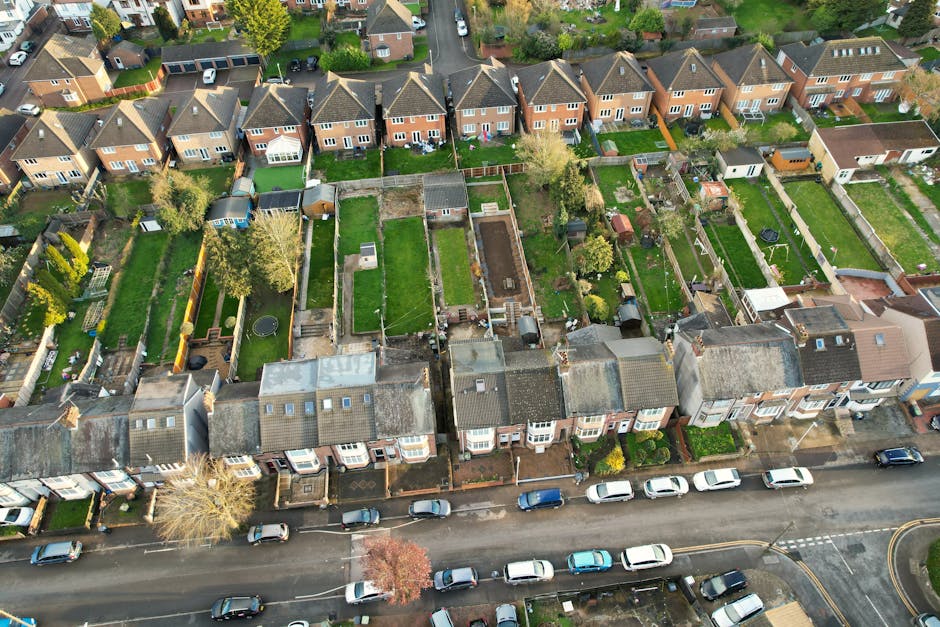
Moving in North Sheen can look simple on paper: book the van, pack the boxes, and get the keys. Then the reality hits. A narrow road, a shared driveway, a tight bay, a neighbour's car sitting exactly where you need to stop. That's where Richmond Council move permits: North Sheen rules explained becomes more than a search phrase - it becomes the bit that can save you stress, delays, and avoidable parking trouble.
In plain English, the goal is to help you understand when a permit, parking permission, or sensible access plan matters for a move in North Sheen, what usually causes problems, and how to get organised before moving day arrives. If you've ever stood on the pavement at 8:15 in the morning wondering whether the van is allowed to park there, you're in the right place.
This guide is written for real moving days, not textbook days. So we'll cover the practical stuff: how permits fit into a Richmond move, what to check before booking removals, how to avoid parking fines, and how to plan for flats, terraces, offices, and last-minute changes without losing the plot.
Why Richmond Council move permits: North Sheen rules explained matters
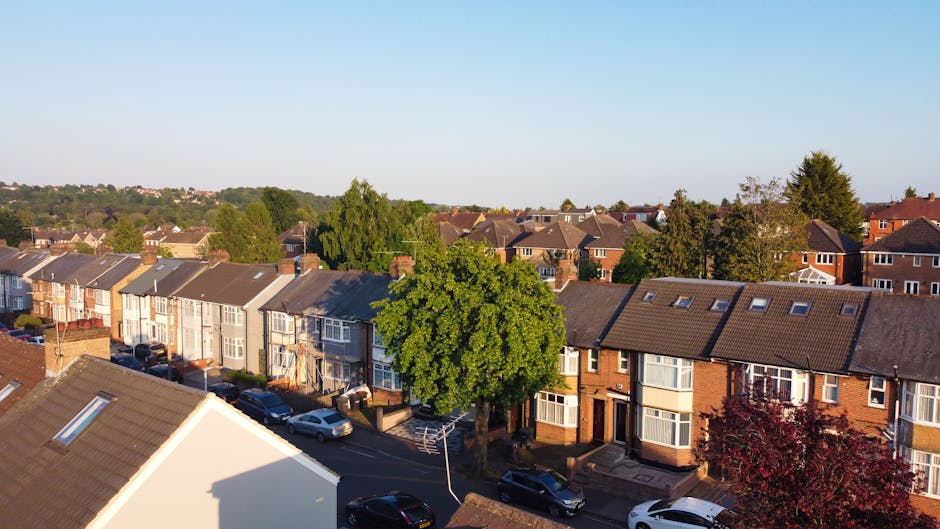
North Sheen sits in that awkward but very familiar London zone where parking can be manageable one street and a headache the next. You may have enough space for a small van, or you may be dealing with resident bays, timed restrictions, permit-only parking, and the occasional double-parked car that seems to have appeared from nowhere. That mix is why move-day permissions matter.
A permit or temporary parking arrangement is not just a nice extra. It can influence whether your removal vehicle can stop legally outside the property, how close items need to be carried, how long the move takes, and whether the van ends up circling while everyone else watches the clock. For a flat move especially, a few extra metres of carry distance can become a big deal very quickly. A sofa seems lighter when it's twenty steps away from the front door. Not so much after fifty.
There's also the trust angle. If you are using a professional team, you want the day to feel organised, safe, and calm. If the parking plan is messy, everything else feels messy too. The crew is lifting, the neighbours are waiting, and you are trying to answer a dozen questions at once. No one enjoys that. To be fair, most moving stress is not caused by boxes - it's caused by logistics.
One useful thing to remember: move permits and parking rules are not only about avoiding penalties. They also help protect access for neighbours, emergency routes, and loading areas. In a dense area like North Sheen, that matters. Good planning is simply good manners, and good sense.
If you are already sorting the practical side of the move, it can also help to read our parking-fine guide for move days alongside this article, especially if your street is tight or heavily restricted.
How Richmond Council move permits: North Sheen rules explained works
Let's keep this straightforward. A move-day permit or parking arrangement is usually about making sure your removal vehicle can use a space lawfully and safely while loading or unloading. Depending on the exact street, vehicle size, time of day, and restriction type, you may need to think about parking bays, suspension arrangements, resident restrictions, or general loading rules.
The most important thing is not to assume that "just for an hour" makes everything fine. It might, or it might not. Local restrictions can be stricter than people expect, especially where bays are controlled or shared. If the van cannot legally stop near the property, the team may have to work around it, and that is where delays begin.
In practical terms, the process usually looks like this:
- Check the parking situation at both the old and new address.
- Identify whether the street has bays, yellow lines, permit-only areas, or timed controls.
- Confirm whether your move will need dedicated space for a removal van.
- Allow time for any permission, suspension, or local approval that may be needed.
- Share the final plan with your removals team so they can bring the right vehicle and arrive at the right time.
That last step is underrated. A lot. If your crew knows the van can't sit outside the building, they can prepare for shuttle loads, smaller vehicle access, or extra carrying. If they don't know, the morning gets awkward very quickly.
For North Sheen flats and maisonettes, the access issue often matters as much as the parking rule itself. Shared entrances, narrow stairwells, restricted frontages, and front-to-back carry distances all add up. If your property is a top-floor flat, you may want to look at this access guide for flats on Lower Mortlake Road as a useful companion piece.
And if your move is happening in one of those classic London "it should be fine" streets - which, let's face it, rarely are - it is worth planning around the exact vehicle size too. A larger removal van may not fit comfortably where a smaller man and van setup could. That decision alone can change the whole parking strategy.
Key Benefits and Practical Advantages
Getting the parking side right might not feel glamorous, but the benefits are very real.
- Less risk of fines or complaints - a legal loading plan is always better than a rushed improvisation.
- Faster loading and unloading - the closer the van, the quicker the move usually goes.
- Less physical strain - fewer extra steps means less carrying, twisting, and stop-start fatigue.
- Better use of labour time - your crew can spend time moving items, not hunting for a space.
- Improved safety - tight roads and awkward parking spots are where small accidents happen.
- Less stress on move day - and honestly, that alone is worth a lot.
There's another benefit people often miss: better coordination with the building itself. If you live in a block, your porter, landlord, managing agent, or neighbours may all have expectations about where vehicles can stop and how long loading should take. A clear parking plan helps you stay on the right side of those expectations.
It also improves efficiency when the move includes bulky items. Beds, wardrobes, refrigerators, and awkward furniture pieces all become easier when the van is parked in the right place at the right time. For advice on fragile or oversized items, the practical experience in our piano removals service information is a good example of how careful planning matters when an item is both heavy and delicate.
And here's the simple truth: good parking planning can make a modest move feel smooth, while bad planning can make even a small move feel exhausting. Same boxes. Different day.
Who This Is For and When It Makes Sense
Not every move in North Sheen needs a complicated permit strategy. But a lot more people need one than realise. If any of the following sounds familiar, you should treat the parking plan as part of the move itself, not an afterthought.
- Flat movers using a shared entrance, stairwell, or controlled bay outside the building.
- House movers in streets where parking fills early or resident-only restrictions apply.
- Students moving in or out with a smaller budget and a limited time window.
- Office movers needing a precise loading window and minimal disruption.
- Families with furniture, appliances, and lots of boxed items to move in one go.
- Last-minute movers where timing is tight and parking options are already limited.
The question to ask yourself is simple: will the removal van need to stop near the door, even briefly? If yes, parking rules matter. If no, you may still need a fallback plan, because a backup plan is what keeps the day from going sideways when the obvious spot is taken.
For smaller or faster moves, a flexible vehicle option may be enough, and something like a man and van service in North Sheen can sometimes suit tighter streets better than a larger lorry. On the other hand, if you are moving a whole household, the larger vehicle may still be the better choice - provided the access works.
If you are trying to reduce the total load, do a little decluttering first. It sounds obvious, but fewer items means fewer trips and less parking pressure. The advice in this decluttering guide fits neatly here, because lighter loads tend to be easier to park around and easier to move.
Step-by-Step Guidance
Here is a practical way to handle North Sheen move parking without overcomplicating it.
1. Check the property and the street before anything else
Stand outside at the time you expect the move to happen. Look at the bay markings, signs, traffic flow, and kerb space. Morning and evening conditions can be very different. A street that feels calm at 10 a.m. may be fully occupied at school-run time or when commuters are back.
2. Decide what kind of vehicle you actually need
Don't book a van just because it sounds convenient. If you have large items, stairs, or a full house, the vehicle choice needs to match the job. Too small and you risk extra trips. Too large and you risk access issues. There's a balance to it.
3. Match the vehicle to the parking reality
If your road is narrow, a smaller vehicle may be much easier to position. If you have a longer driveway or open frontage, you may have more flexibility. In some cases, a small vehicle with more trips is better than one giant attempt to "make it work".
4. Build in a time buffer
Move days rarely run to the minute. Someone is always stuck in traffic, waiting for a lift, or dealing with a mattress that behaves like it has a grudge. Give yourself breathing room. A little extra time can be the difference between a neat move and a frazzled one.
5. Confirm the final plan in writing with the removals team
Even a short message helps: vehicle size, address, parking notes, floor level, access issues, and whether there is somewhere to stop briefly. Clear notes reduce confusion on the day.
6. Prepare the items that need quickest access
Keep keys, documents, kettle essentials, phone chargers, and any access cards easy to reach. If the van is in a proper loading spot, you don't want to waste the advantage by hunting through a box for one important envelope.
7. Have a fallback option
What if the preferred space is occupied? What if the street is blocked by delivery vehicles? What if the lift is out? It happens. A second plan means the day keeps moving instead of stalling.
For a more general moving workflow, this house-move article gives a helpful picture of how to keep the whole day organised, not just the parking.
Expert Tips for Better Results
After enough move days, a pattern becomes obvious: the best outcomes come from boring preparation. Not exciting, just effective.
- Book early where possible. The closer you get to moving day, the fewer tidy options you usually have.
- Measure awkward items. A sofa that fits the door may still create problems if the van position is poor.
- Use labelled "load first" boxes. That makes the first van loading sequence cleaner and quicker.
- Keep one person focused on access. Someone should be watching the street, signs, and vehicle position, not just packing.
- Protect the building relationship. A polite note to neighbours or a quick heads-up can prevent friction. Small thing, big result.
- Think about unloading as well as loading. Getting the vehicle out at the destination matters just as much as getting it in.
If you're moving something especially awkward, like a piano or specialist furniture, use advice from items designed for careful handling. For example, the guidance in our piano-moving mishaps article is useful even if you are moving a different heavyweight item, because the principles are the same: plan the route, control the timing, and reduce unnecessary lifting.
One more practical tip: if you are moving from a flat, do not leave permit or access decisions until the morning. That's how the whole day gets a bit wobbly. You really want the parking part sorted before the kettle's even boiled.
Common Mistakes to Avoid
Here are the slip-ups that cause most move-day stress in North Sheen.
- Assuming loading is always allowed. Rules vary by street and time.
- Forgetting the destination side. You may have perfect parking at the old address and none at the new one.
- Choosing the wrong vehicle size. That can create either access problems or unnecessary trips.
- Leaving permit planning too late. Last-minute arrangements are often the hardest to make work.
- Not checking for event, school, or commuter pressure. Some days are just busier than others.
- Ignoring bulky item handling. Heavy furniture needs space to manoeuvre, not a cramped gamble.
A less obvious mistake is underestimating how long the carry will take. If the van can't park close by, every box takes longer. That delay piles up, and before long the whole schedule is slipping. It's a small thing at first, then suddenly it isn't.
If you're trying to keep the load light and manageable, smart decluttering can save you from moving unnecessary items that only create extra parking pressure and loading time.
Tools, Resources and Recommendations
You don't need fancy tools to manage a move permit situation properly, but a few basics make life easier.
- A street-view check on your phone before the day, so you can visualise the frontage and bay layout.
- A simple move timeline with arrival, loading, travel, and unloading windows.
- Printed notes or screenshots of access instructions, especially if mobile signal is patchy in the property.
- Labels for boxes and rooms so unloading becomes orderly instead of chaotic.
- Protective materials for furniture, mattresses, and fragile items.
For packing help, effective packing strategies can genuinely make a parking challenge easier by reducing the time spent at the kerb. Less faffing around. More moving.
If you are moving a sofa, bed, or bulky household item into storage, the storage-related advice in professional sofa storage tips and bed and mattress moving guidance can help you avoid damage before the item even reaches the van.
And if part of your move involves temporary storage, it may be worth planning around storage options in North Sheen so that the day has fewer pressure points. A move with a storage stop is still a move - just with an extra checkpoint or two.
Law, Compliance, Standards, or Best Practice
Because parking and moving are tied to public roads, local rules, and shared access, the compliance side matters. The safe approach is to follow the relevant parking signs, loading restrictions, and property-specific instructions rather than assuming a short stop is automatically acceptable.
In the UK, moving-day parking problems often come down to a few basics: observe the sign, respect bay rules, avoid blocking access, and don't leave a vehicle in a way that creates risk for pedestrians or traffic. That is the simplest standard, and frankly the most useful one. If you are unsure, check before you commit the van to a space.
From a best-practice point of view, good movers usually do three things well:
- They plan the route and stopping point before arrival.
- They keep the loading area clear and safe.
- They communicate quickly if the parking position changes.
That's it, really. Compliance doesn't have to be dramatic. It just has to be consistent.
There's also a safety side. A badly parked van can force awkward lifting angles, longer carry distances, and rushed manoeuvres. That increases risk to the crew, your items, and sometimes the property itself. If safety matters to you - and it should - it is worth reviewing the principles in the insurance and safety information before moving day.
If you are disposing of furniture or bulky items as part of the move, be careful not to leave anything in a way that could be treated as an improper dump. The guidance in this bulky-waste article is a sensible companion when clearance is part of the plan.
Options, Methods, or Comparison Table
Different moves need different parking approaches. The right choice depends on the property, street layout, and how much you are moving.
| Option | Best for | Pros | Watch-outs |
|---|---|---|---|
| Small van / man and van | Light to medium loads, tighter streets | More flexible, easier to position, often quicker to park | May need extra trips if the load is larger than expected |
| Large removal van | Full-house moves, bulky furniture, single-trip efficiency | Moves more in one go, fewer journeys | Harder to fit on narrow roads or busy bays |
| Pre-arranged loading space | Controlled access areas, busy roads, flats with restrictions | Cleaner workflow, safer lifting, better timing | Needs planning in advance and accurate communication |
| Flexible parking with backup plan | Unpredictable streets and last-minute changes | Useful if the first choice is taken | Can slow the move if the fallback is too far away |
In practice, the best method is often the one that fits the property rather than the one that sounds most efficient on paper. A smaller vehicle parked well can outperform a big vehicle parked badly. Every time.
If your move is a flat move rather than a full house shift, you might also find North Sheen flat removals more appropriate than a broader household setup. It's often the smarter fit where access is the main challenge.
Case Study or Real-World Example
Here's a realistic North Sheen-style scenario.
A couple moving from a first-floor flat near a busy residential road had a fairly standard load: bed, chest of drawers, two sofas, boxes, kitchen gear, and a couple of awkward chairs. Nothing unusual. The problem was the street. Parking was tight, and the front of the building had limited stopping space. They had assumed the van could stop nearby "for a few minutes". It probably could have, on a lucky day. This was not a lucky day.
Instead of guessing, they checked the street in advance, chose a smaller vehicle, and arranged the timing so the loading started before the busier part of the morning. They also split the load into clear priority groups: heavy furniture first, then boxes, then loose items. That meant the van was used efficiently, and the carry distance stayed manageable.
What made the move feel easy was not luck. It was a tidy access plan. The crew arrived knowing where to stop, what to load first, and how much time to allow. The couple said the difference was obvious almost straight away; the morning had the calm, steady feel you want from a move, not the frantic sound of everyone calling instructions over one another.
If you are planning a similar move, the more detailed local access notes in this Kew Gardens access and parking guide may help you think through the street layout before moving day. It's the sort of thing that saves you a headache at 7:30 a.m.
Practical Checklist
Use this as a last-check list before moving day. It's simple, and that's the point.
- Confirm the exact move date and arrival window.
- Check parking restrictions at both addresses.
- Decide whether a smaller or larger vehicle makes more sense.
- Share floor levels, access notes, and loading details with the team.
- Prepare keys, access fobs, and important documents in one place.
- Label the essential boxes clearly.
- Protect fragile and bulky items before loading.
- Plan for a fallback parking or loading option.
- Keep neighbours or building management informed where appropriate.
- Review waste, storage, and unpacking plans if they affect timing.
If your move is fast-moving or last-minute, it also helps to read what to expect from urgent same-day removals so you can keep expectations realistic. Same-day moves can work well, but only if access is thought through quickly.
And if you are packing from a smaller home or student property, this compact SW14 moving checklist is a tidy way to stay organised without carrying too much in your head.
Conclusion
Richmond Council move permits: North Sheen rules explained is really about one thing: making the move day work in the real world. Not the ideal world. The real one, where parking bays are full, streets are narrow, and time disappears faster than you'd like. When you get the access plan right, everything else feels lighter - the lifting, the schedule, even the mood in the house.
So if you're planning a move in North Sheen, don't treat parking as a tiny detail. It's part of the move strategy. Check the restrictions, choose the right vehicle, brief your team properly, and leave enough room for life to happen. That way, you are moving with control rather than reacting to surprises. Much nicer, honestly.
If you want a smoother, better-organised move with fewer parking headaches, plan early and keep the access side simple. It's a small bit of effort that pays back in a big way.
Get a free quote today and see how much you can save.